Australian mattress maker A.H. Beard has survived more than a century of changes in how people furnish their homes. Its next challenge is to preserve the value of local manufacturing and family ownership in a market increasingly shaped by online shopping, aggressive promotions and growing interest in sleep health.
Founded in Sydney in 1899, the family-owned business manufactures mattresses in Australia and New Zealand and markets products across several price points. Its longevity provides a distinctive selling point, but heritage alone does not settle the purchasing decision for households weighing comfort, durability and cost.
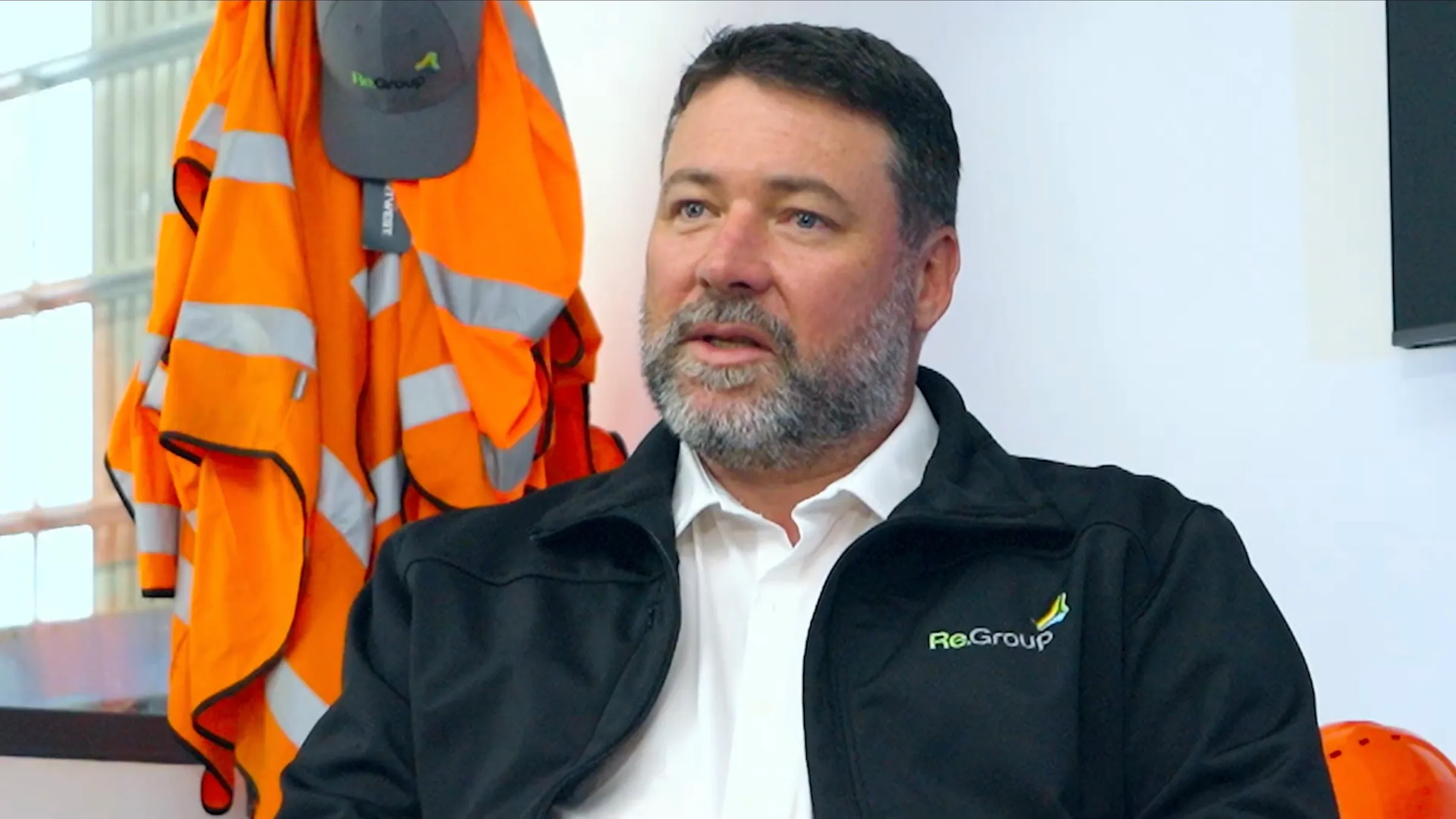
The company is featured in “A.H. Beard: The Sleep Legacy” on the business programme Industry Leaders, placing a long-established manufacturer in the spotlight at a time when the mattress category extends well beyond traditional furniture retailing.
For A.H. Beard, the underlying commercial task is straightforward: turn manufacturing experience and brand recognition into products customers consider worth buying. Executing that task is less simple when comfort is subjective, purchases are infrequent and competing claims can be difficult to compare.
A family business built around a lasting need
A.H. Beard dates its beginnings to 1899, when mattress production relied on materials and methods far removed from today’s combinations of springs, foams and engineered comfort layers. The company passed through successive generations of family ownership as both its products and the market changed.
That continuity distinguishes it from newer bedding brands built around digital advertising and direct delivery. It also gives the business a history that retailers can communicate to shoppers confronting a crowded showroom.
Yet a long history creates obligations as well as advantages. A manufacturer trading on its reputation must maintain consistent quality across individual products, retail relationships and after-sales service. A familiar name can attract consideration; the experience of sleeping on the mattress determines whether that trust lasts.
Family ownership also brings succession into the commercial equation. Passing a business between generations requires the transfer of manufacturing knowledge, supplier relationships and management responsibilities, not simply a surname on the product.
The relevance of A.H. Beard’s history therefore lies less in age alone than in adaptation. A company established before modern bedding materials became commonplace has had to keep changing what it makes while retaining a recognisable identity.
Local production and the economics of a bulky product
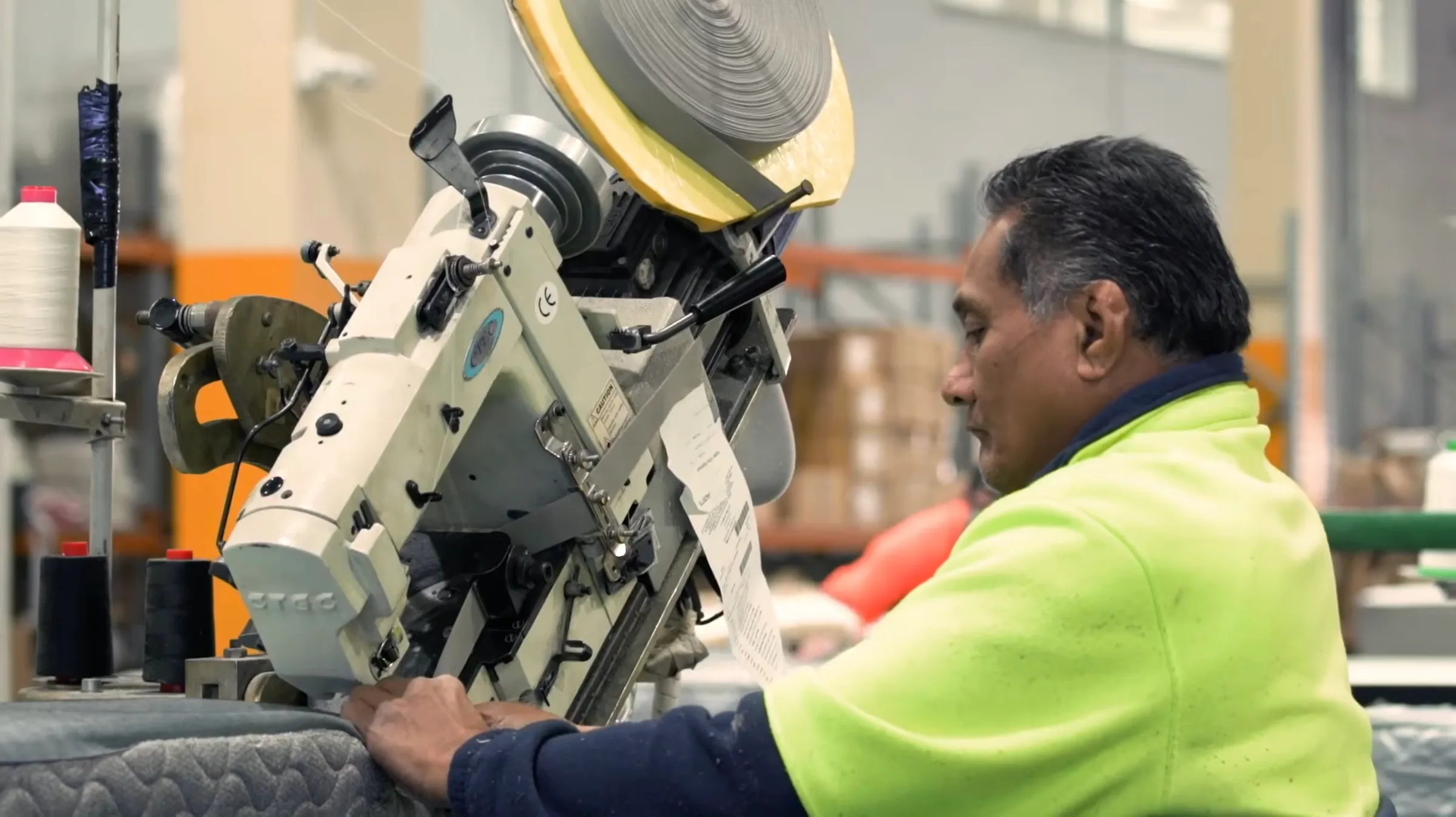
A.H. Beard’s manufacturing operations in Australia and New Zealand put production close to important end markets. That matters in bedding, where the finished product is bulky and delivery forms a significant part of the customer experience.
Domestic manufacturing can support coordination between factories, retailers and customers. It can also make it easier to accommodate different sizes and specifications without relying entirely on shipments of finished mattresses from overseas.
Those advantages are not automatic cost advantages. Local producers must manage wages, property, energy, equipment and materials while competing with products made under different cost structures. Local manufacture also does not mean every component originates domestically.
The business case rests on the whole proposition: construction, consistency, delivery, service and price. Country of manufacture may influence a purchasing decision, but it rarely removes the need to demonstrate value.
For an established manufacturer, production discipline is particularly important because a mattress contains several interacting elements. Changes to springs, upholstery, foams or assembly can alter how a product feels and performs. Maintaining a consistent specification is part of protecting the brand promise.
There is also a practical distinction between making a product and successfully delivering it. Mattresses require careful handling, and replacement purchases may involve coordinating access, installation and removal of an existing bed. Those details can affect satisfaction as much as the showroom experience.
Competing across brands and buying habits
A.H. Beard’s portfolio includes King Koil and Domino, alongside products carrying its own name. Multiple brands allow the manufacturer to address different budgets and preferences without presenting every mattress as the same proposition.
That matters in a category where shoppers may be replacing a worn-out bed, furnishing a first home or spending more on a product they expect to use for years. A single message does not necessarily work across those purchases.
Retail showrooms offer one important advantage: customers can physically compare mattresses before ordering. Firmness descriptions are not experienced identically by every sleeper, and differences in body weight, sleeping position and personal preference complicate simple comparisons.
Online sellers offer a different proposition, emphasising convenience, delivery and trial periods. Their presence has made service terms and the ease of purchasing more visible parts of mattress competition.
Neither model eliminates uncertainty. A brief showroom test cannot reproduce months of use, while an online purchase may require a customer to arrange a return if the mattress proves unsuitable. Clear product information and understandable terms are valuable in both settings.
For A.H. Beard and its retail partners, the challenge is to explain meaningful differences in construction and support without overwhelming buyers with technical language. A higher price needs a comprehensible justification, particularly when promotional pricing makes comparisons difficult.
Sleep health raises the stakes for product claims
Greater public attention to sleep has widened the conversation around mattresses. The product is no longer marketed solely as furniture; it is frequently presented as part of a broader approach to rest and wellbeing.
Australia’s Sleep Health Foundation identifies sleep as important to physical and mental health. Its guidance also underscores that healthy sleep involves more than equipment: routines, behaviour, the bedroom environment and medical conditions all matter.
That distinction is important for the bedding industry. A comfortable, supportive mattress can contribute to a suitable sleeping environment, but it is not a substitute for diagnosing or treating a sleep disorder.
Manufacturers therefore face a credibility test when translating technical features into consumer benefits. Descriptions of materials and construction are different from claims that a product will produce a particular health outcome.
A.H. Beard’s emphasis on sleep places it within that wider conversation. The commercial opportunity is to help customers understand comfort and support; the risk for the category is allowing wellness language to outrun what a mattress can reasonably promise.
Individual variation further limits universal claims. A mattress preferred by one sleeper may not suit another, making appropriate product choice and clear guidance more useful than declarations of a single best solution.
Heritage must keep earning its value
Industry Leaders’ focus on A.H. Beard brings visibility to a business whose products are familiar household purchases but whose manufacturing operations are less visible to consumers. The programme’s “The Sleep Legacy” title captures the connection between family continuity and a product built around an enduring need.
The competitive outlook, however, depends on present-day execution. Customers still need a convincing reason to choose one mattress over another, and retailers need reliable products, delivery and support.
Durability is especially important in a category purchased relatively infrequently. A manufacturer must win confidence at the point of sale and sustain it long after the transaction, when the product becomes part of everyday life.
A.H. Beard’s history offers a foundation for that confidence, not immunity from competition. Its lasting commercial test is whether a business established in 1899 can continue making its experience relevant to the way households choose, buy and use a bed today.
Sources & further reading