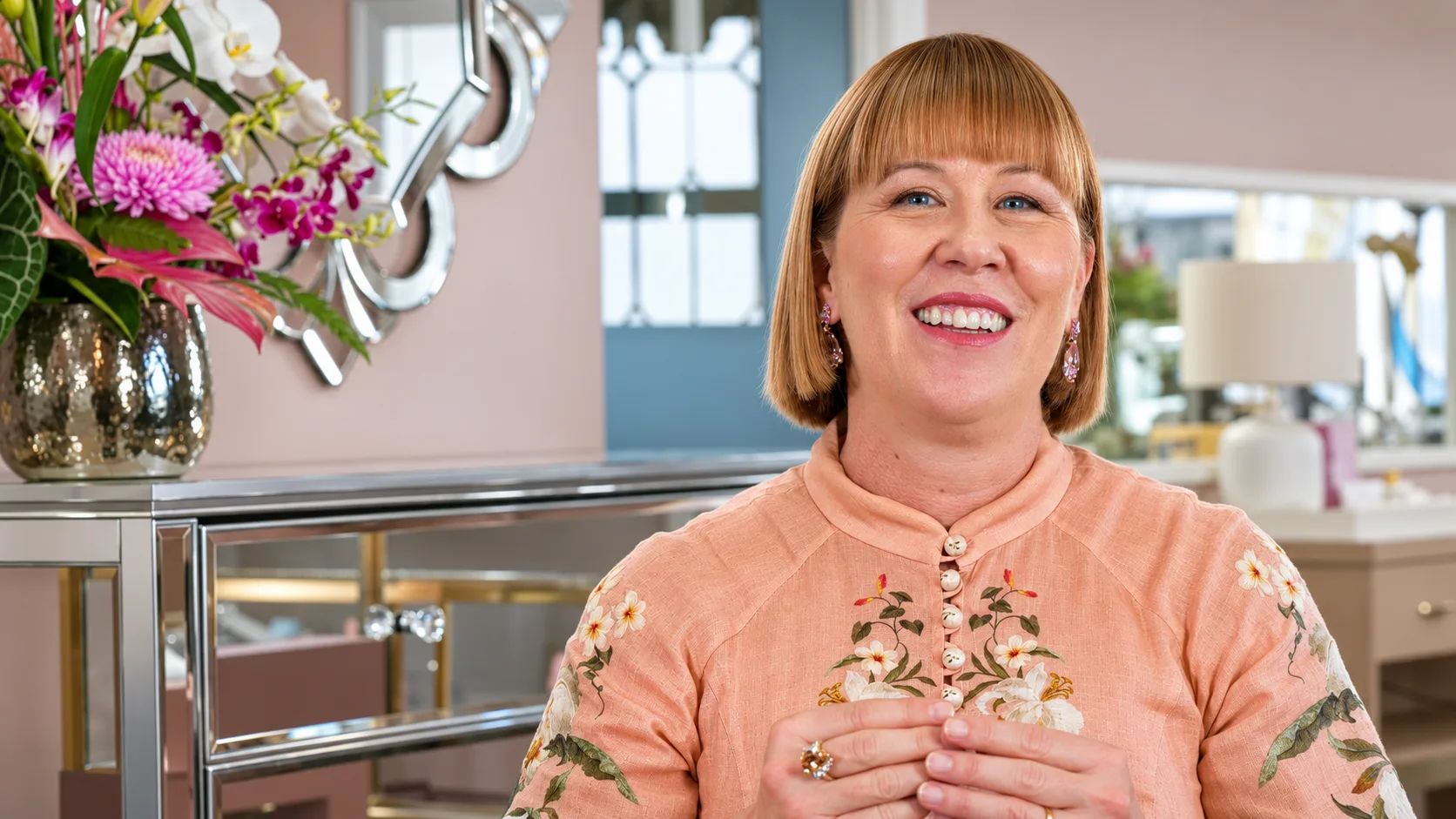
BRISBANE, AUSTRALIA | When Tammy Keers began making jewellery in her garage in 2004, she had little more than a workbench, a developing client base and an ambition to create pieces she believed were missing from the market.
More than two decades later, the founder of Artisans Bespoke Jewellers operates a specialist workshop in Brisbane's Paddington, where traditional metalworking techniques, contemporary design technology and highly personal commissions converge.
Her journey, recently documented in an Industry Leaders television feature, offers a portrait of a business built through persistence, technical craftsmanship and relationships that have endured well beyond individual purchases.
The program takes viewers inside the workshop, where Keers and her team explain the processes behind their work, from the first conversation with a client to the construction of a piece intended to become a family heirloom.
It also reveals something less visible in the finished product: the considerable time, expertise and personal interpretation required to transform precious metals and gemstones into jewellery that carries meaning beyond its material value.
From student interest to a working atelier
Keers traces the origins of her business to 2004, when she began manufacturing jewellery alone in her garage.
For three years, she worked independently, developing her craft while meeting prospective customers in coffee shops with sketches and notepads.
Without an established showroom, these conversations became an important part of the business. They allowed her to present ideas directly, develop trust and build relationships with people willing to commission work from an emerging jeweller.
One early customer, Keers recalls in the television interview, became particularly influential in encouraging her to take the next step.
The transition to retail was modest.
Her first shop occupied approximately three and a half square metres, with enough room for a workbench, a small design area and an initial collection of just six pieces.
The decision nevertheless marked a significant shift: from a jeweller working independently to a business owner establishing a place for her work in the market.
What began as an individual manufacturing practice has since developed into Artisans Bespoke Jewellers, a studio combining design, client consultation and specialist bench craftsmanship.
In the Industry Leaders interview, Keers describes those beginnings without romanticising the difficulties. Winning customers required persistence, and expanding the business meant taking commercial risks long before there was any certainty about its future.
Signature: Art Deco translated for contemporary clients
Art Deco has become an important influence on the visual identity of Artisans Bespoke Jewellers.
The design tradition, associated with geometric forms, symmetry, architectural proportions and carefully structured ornament, provides a distinctive vocabulary for contemporary commissions.
In jewellery, such influences can be expressed through stepped settings, balanced arrangements of gemstones, angular details and the relationship between a piece's visible design and its underlying construction.
For Keers, however, a design is not complete simply because it possesses a recognisable aesthetic.
The process begins with translating an individual client's ideas into something that can be manufactured and worn.
Hand-drawn sketches remain central to this approach, even as three-dimensional visualisation allows customers to examine a proposed piece before production.
Keers describes the immediacy of sketching as particularly valuable. During consultations, ideas can be discussed, changed and illustrated in real time.
Digital renderings then help clients understand the proportions and appearance of the proposed jewellery.
The final stages return the design to the workshop, where jewellers undertake the physical work of construction, assembly and finishing.
It is a process that connects contemporary design technology with the traditional skills on which the business was founded.
A small team, bespoke service
Although Keers is the founder and central creative figure, the television feature also introduces the specialists whose work contributes to the finished pieces.
Among them is Ingrid McLean, the workshop manager, who identifies listening as one of the most important skills in bespoke jewellery design.
For McLean, a successful commission requires more than interpreting a customer's preferences for metals, gemstones or shapes.
It requires understanding what the customer wants the jewellery to represent.
She describes consultations in which careful questions and detailed notes reveal personal associations that might otherwise never become part of the design.
Those details can be remarkably subtle.
A client may wish to incorporate a butterfly, a bee or a symbol associated with a loved one into the basket beneath a ring. Such elements may be largely hidden when the jewellery is worn, yet carry considerable personal significance.
This attention to individual meaning has become an important feature of Artisans' approach.
Rather than selecting an existing design and making minor alterations, clients can participate in the development of something created around their own experiences and intentions.
The distinction is central to how the workshop understands bespoke craftsmanship.
Craftsmanship as positioning, not jewellery rhetoric
Inside the workshop, the production process is less about the apparent simplicity of a finished ring than the sequence of technical operations required to make it.
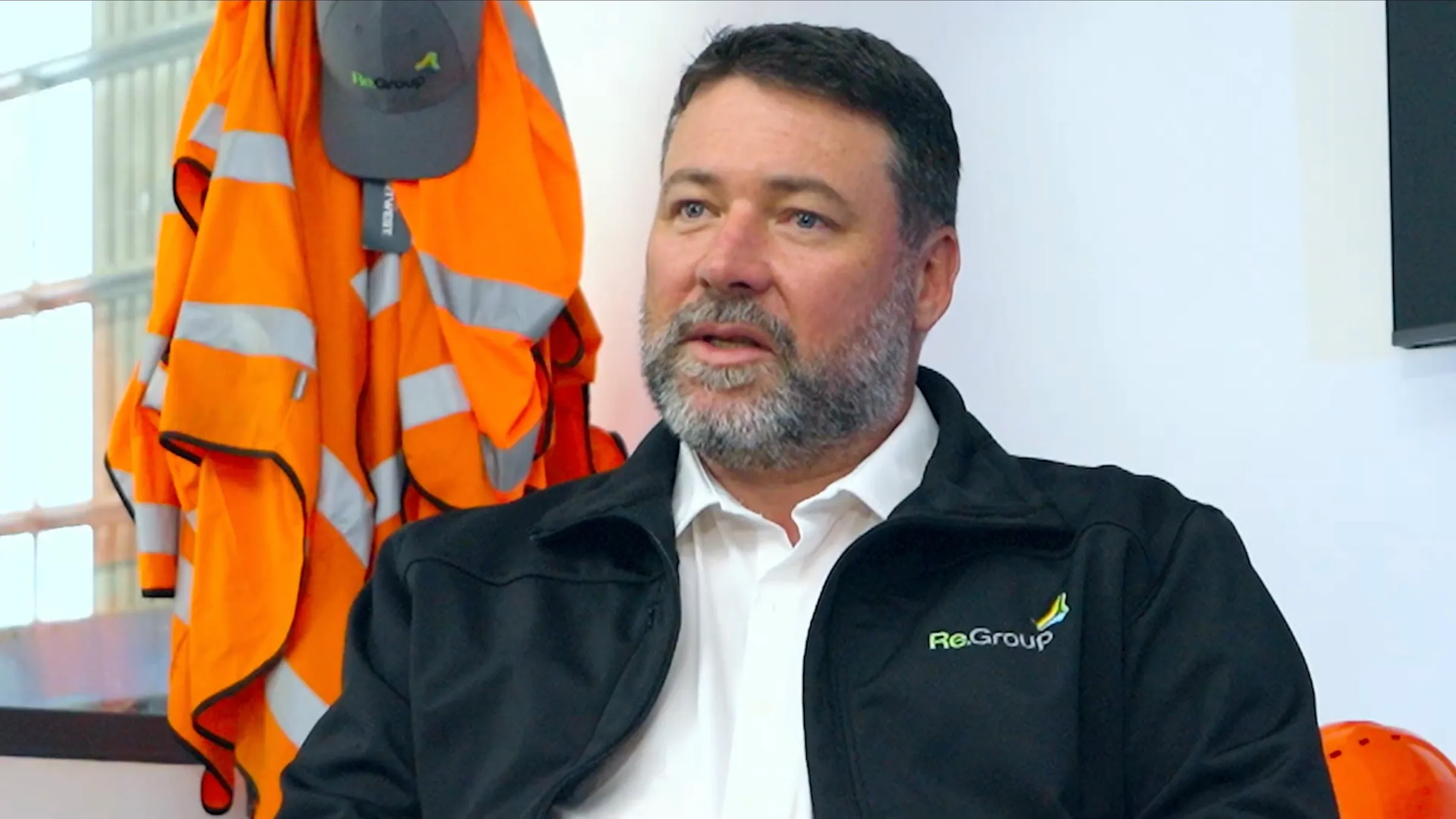
Brian Bretherton, a jeweller, gemologist and diamond grader featured in the program, draws a distinction between genuinely handmade jewellery and pieces assembled or modified from mass-produced components.
At Artisans, he explains, the manufacturing process can begin with a raw metal bar approximately four to six millimetres square.
The material is rolled, hammered and shaped before individual components are constructed and assembled.
The work requires precision at each stage. Even details that may appear insignificant to an observer can influence the proportions, structural integrity and final appearance of the piece.
Time is another defining consideration.
Keers says commissions can require five, ten or fifty hours, while particularly intricate pieces may involve more than 100 hours of work.
A single commission can also pass through several skilled hands before it is completed.
These details help explain the economics and discipline of bespoke production, where the amount of labour involved cannot be judged solely by the dimensions of the finished object.
They also expose the difference between describing jewellery as handcrafted and demonstrating the processes through which that craftsmanship is achieved.
In the televised feature, those processes become visible.
Viewers see how a design progresses from an initial concept to the careful manipulation of metal, the assembly of components and the final stages of finishing.
Visibility and storytelling
The recent Industry Leaders television feature marks another stage in the public profile of Artisans Bespoke Jewellers.
Rather than concentrating exclusively on finished rings and gemstones, the program examines the business through the experiences of its founder and the work of the people around her.
Keers' account of starting in a garage gives the story its entrepreneurial foundation.
The interviews with McLean and Bretherton provide a closer examination of the relationship between personal design, technical knowledge and the demands of manufacturing.
Together, these perspectives reveal a business in which commercial success and creative practice are closely connected.
The program also explores the emotional responsibilities that can accompany bespoke work.
Keers describes the anticipation she still experiences when a customer opens a completed jewellery box for the first time.
Despite years in the trade, the moment continues to make her nervous.
For her, the reaction offers a measure of whether the workshop has successfully translated something deeply personal into a physical object.
One commission discussed in the feature involved a floral design incorporating coloured sapphires and a tiny ladybird concealed beneath the setting.
The symbol had special meaning to the couple commissioning the ring, although they chose not to disclose the reason.
Another example is Keers' own engagement ring.
While she designed its visible appearance, her team surprised her by incorporating family initials into its basket, representing her son Charlie, her partner Eduardo, her dog Missy and herself.
The gesture illustrates how a piece can hold layers of meaning that are not immediately apparent to anyone other than its owner.
Such stories give the television feature a dimension beyond an examination of design and manufacturing.
They show why the relationship between jeweller and customer can extend into some of the most significant events in a person's life.
Looking ahead: maintaining craft in a competitive market
For a specialist workshop such as Artisans Bespoke Jewellers, growth presents a continuing challenge: increasing visibility while preserving the individual attention and labour-intensive methods on which the business has been built.
The company's work depends on skilled people, the time available for each commission and the ability to interpret personal requirements that may be difficult to communicate.
These characteristics distinguish bespoke manufacturing from standardised production, but they also create practical limits on the number and complexity of commissions a workshop can undertake.
Keers' account suggests that the meaning of her work has changed as the business has developed.
In the early years, she was motivated by the satisfaction of designing and making beautiful objects.
Experience brought a deeper appreciation of the role jewellery plays in people's lives.
She recalls a customer who had recently lost her mother and aunt and spent months dealing with their estates.
As furniture and other belongings were sold or dispersed, the jewellery remained especially meaningful because of the memories attached to it.
The experience reinforced an understanding that precious objects can become repositories of family history, retaining significance long after their original owners have died.
For Keers, this is part of what makes the work enduring.
A ring may commemorate a wedding, an anniversary or a personal milestone. Over time, it can acquire new significance as it passes between generations.
The recent Industry Leaders feature brings that philosophy into focus by examining not only what Artisans Bespoke Jewellers produces, but the human experiences that inform its work.
From a solitary workbench in 2004 to a specialised Brisbane workshop more than two decades later, Keers' story illustrates how a creative business can develop around a consistent commitment to craft.
The finished jewellery may be small in scale, but the stories, labour and personal significance embedded in each piece can be considerably larger.
Sources & further reading